
Cleaning the Right Way Helps New Surfaces Last Longer and Look Better
Proper cleaning protects new floors and fixtures by removing dust, grit, paint bits, and film before they scratch, stain, or dull the surface. After a build or remodel, small debris can act like sandpaper. Leftover residue can also harm seals and finishes. In Santa Ana, CA, many property owners use construction cleaning soon after work ends so new materials stay in good shape from day one.
Why Prevention Matters
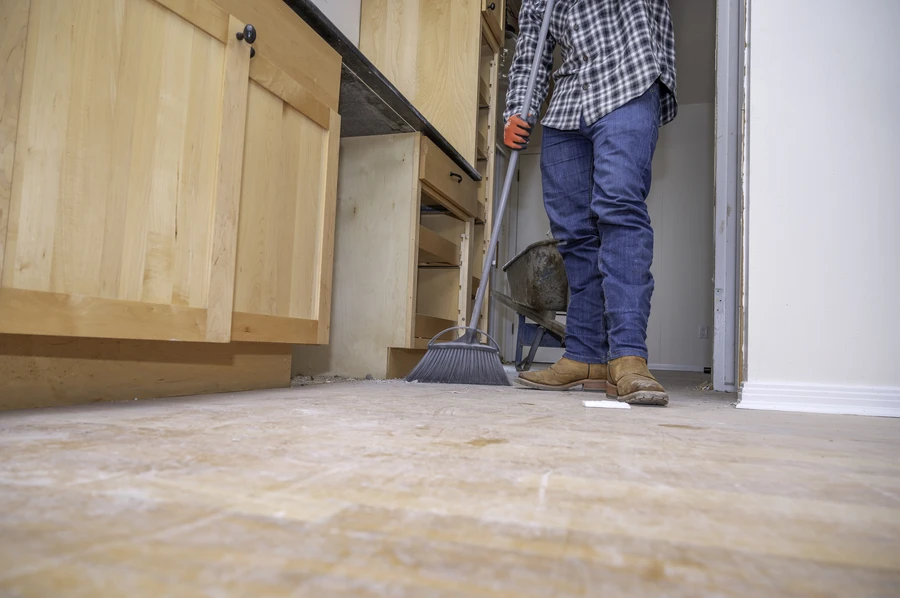
New flooring and fixtures often look tough, but many surfaces are easy to damage in the first few days after installation. Fine dust settles into corners, grout lines, and seams. Tiny nails, wood chips, and drywall crumbs can scratch floors when people walk over them. Stickers, tape, and caulk smears can leave marks if they sit too long. Good cleaning removes these problems before they turn into lasting damage.
This also helps protect the money spent on the project. A fresh floor can lose its shine fast if dirt is dragged across it. New sinks, faucets, and counters can get cloudy if the wrong cleaner is used. A careful post-build cleanup gives the space a better start and makes routine care easier later.
Early Warning Signs
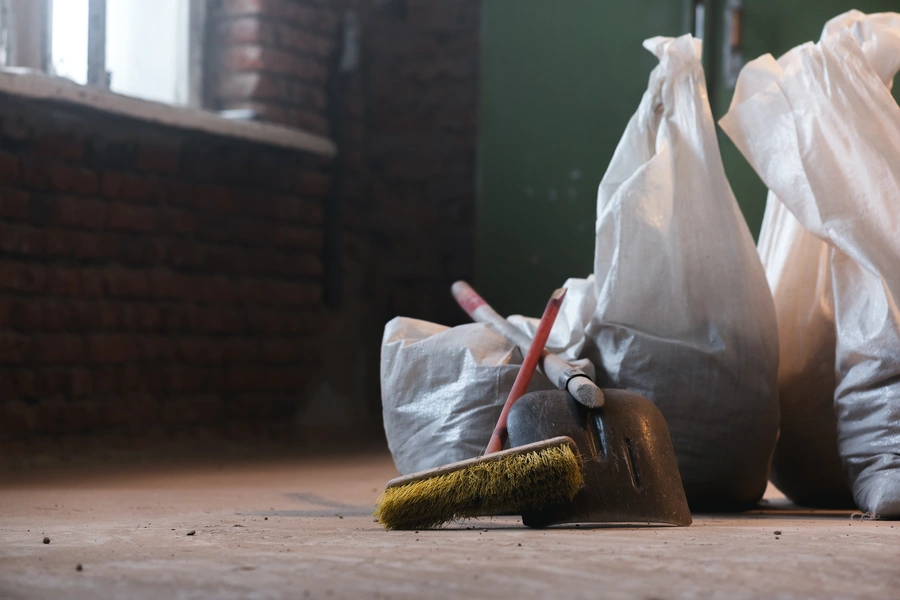
Many signs of trouble are easy to miss at first. A floor may still look clean from across the room, yet fine dust may still cover it. Fixtures may seem shiny, but a thin film can be hiding fingerprints, grout haze, or adhesive residue. Spotting these signs early can help stop wear before it spreads.
Watch for issues like these:
- dust returns soon after sweeping
- floors feel gritty under shoes or socks
- tile has a cloudy or chalky look
- fixtures show spots that do not wipe off with water
- corners, vents, and trim hold piles of fine debris
- cabinet shelves or drawers still contain sawdust
These signs often mean the space needs more than a quick wipe-down. Many times, construction cleaning is the best next step because post-project mess settles in layers and reaches places normal cleaning may miss.
Seasonal or Routine Checklist
After a project ends, a smart cleaning routine can help preserve new surfaces. The first cleanup should be gentle but thorough. After that, regular care keeps dust and soil from building up again. If the job included hard floors, trim, counters, glass, and metal fixtures, each surface may need a slightly different method.
Here is a simple checklist:
- Remove large debris by hand before sweeping or vacuuming.
- Use a soft-brush vacuum on new flooring to lift fine dust.
- Wipe fixtures with a soft cloth and a cleaner made for that finish.
- Check corners, baseboards, window tracks, and vents for hidden dust.
- Clean up tape, stickers, and adhesive residue with safe products only.
- Mop hard floors with light moisture, not soaking wet pads.
- Inspect the area again the next day, since dust often settles later.
If there is a service category keyword in your cleaning plan, include it in the scope so no part of the property gets skipped. A complete checklist matters most when several trades have worked in the same space.
Best Practices for Long-Term Results
The safest cleaning methods are usually the simplest. Use soft microfiber cloths, non-abrasive pads, and cleaners made for the exact surface. Read care notes from the installer when possible. Hardwood, luxury vinyl, tile, stone, chrome, brushed nickel, and painted finishes all react in different ways.
It also helps to clean in the right order. Start high and move low. Dust light fixtures, ledges, and shelves before touching counters and floors. This keeps debris from falling onto areas that were already cleaned. Vacuum before mopping so grit is lifted away instead of dragged across the floor.
Entry mats and shoe covers can help right after the project is done. New floors are still at risk while workers, movers, or owners carry items in and out. Light protection during this stage can prevent early scuffs.
What Not to Do
Some common cleaning habits can shorten the life of brand-new materials. Strong chemicals may strip protective coatings. Rough scrub pads can leave scratches that never come out. Too much water can seep into seams, edges, or unfinished spots. Even a basic broom can spread grit around if debris is heavy.
Avoid these mistakes:
- using bleach or acidic cleaners on delicate finishes
- scrubbing metal fixtures with rough sponges
- pushing debris across the floor before picking it up
- letting paint specks or caulk dry for too long
- using one cleaner for every surface in the space
- skipping a second pass after dust settles again
These missteps often cause the same damage owners hoped to avoid. A rushed cleanup may save time that day, but it can lead to dull floors, scratched trim, and stained fixtures not long after.
When to Schedule Professional Help
Some post-project mess is too much for standard supplies and basic routines. If the space has heavy dust, multiple surface types, paint overspray, grout haze, or debris in vents and tracks, professional help may be the safer choice. This is also true when the property needs to look move-in ready right away.
Professional construction cleaning can help when a project involved a large crew, several rooms, or specialty materials. Trained cleaners know how to handle fresh finishes with care. They also have tools that reach fine dust hidden in trim, vents, frames, and joints. That kind of detail work helps protect both appearance and lifespan.
Get Help Protecting Your New Space
if your property in Santa Ana, CA needs a careful post-project cleanup, we can help protect new floors and fixtures from early wear. Contact OC Janitorial Service to schedule construction cleaning or ask questions about the best next steps for your space. Call us at (949) 783-9034, and we will help you leave the area clean, safe, and ready to use.